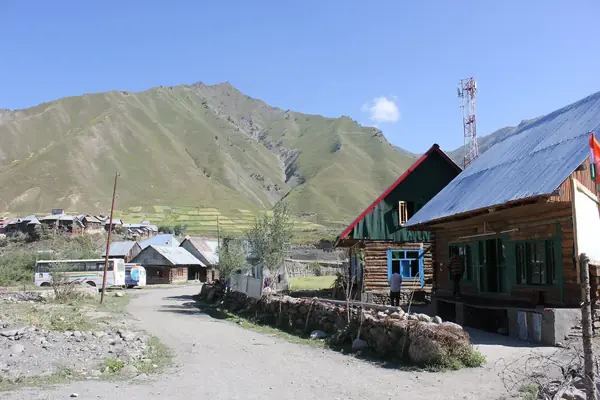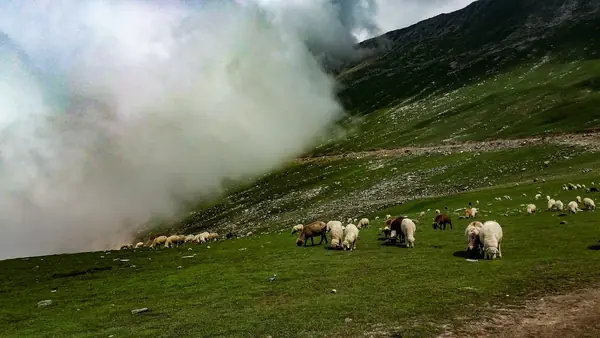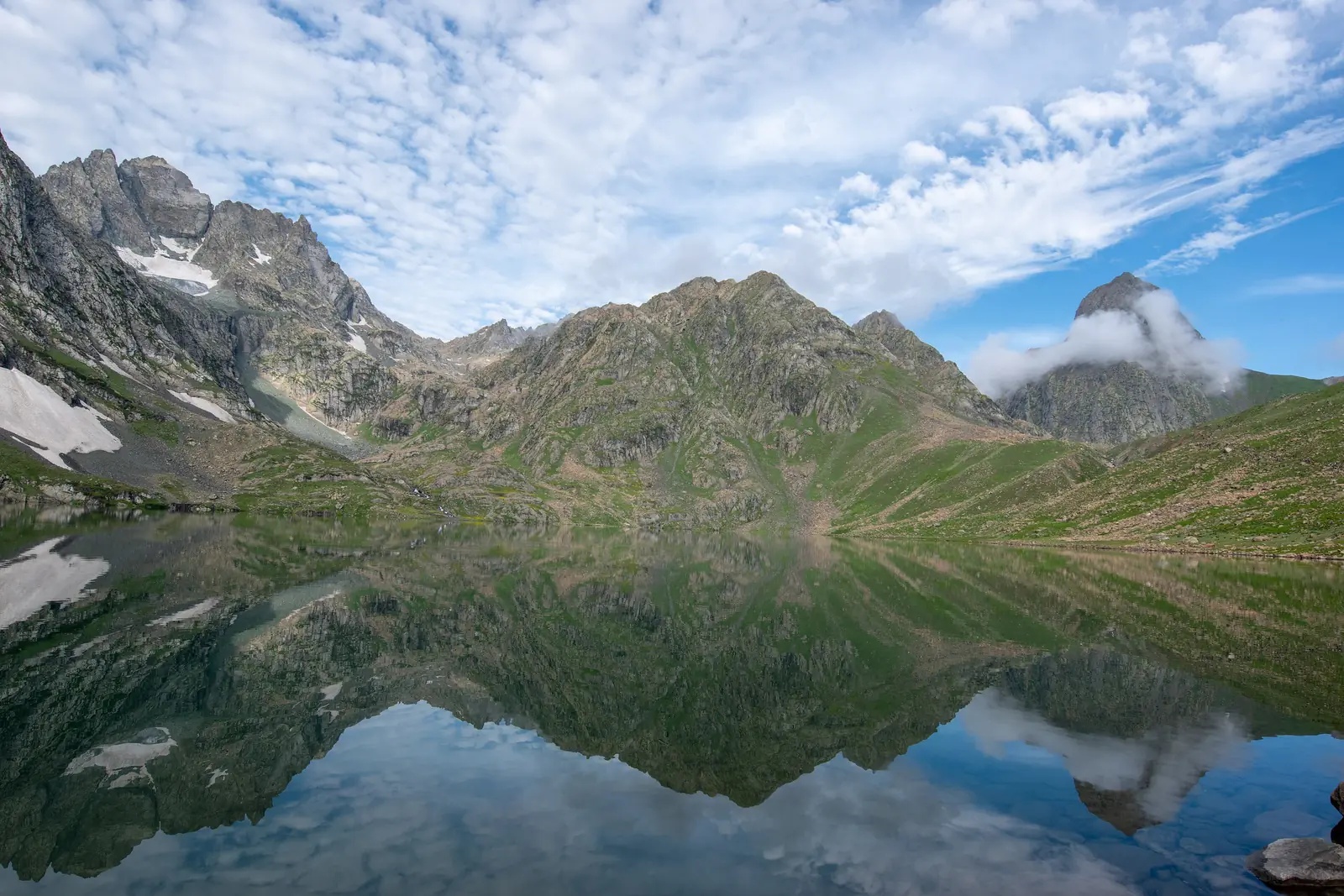
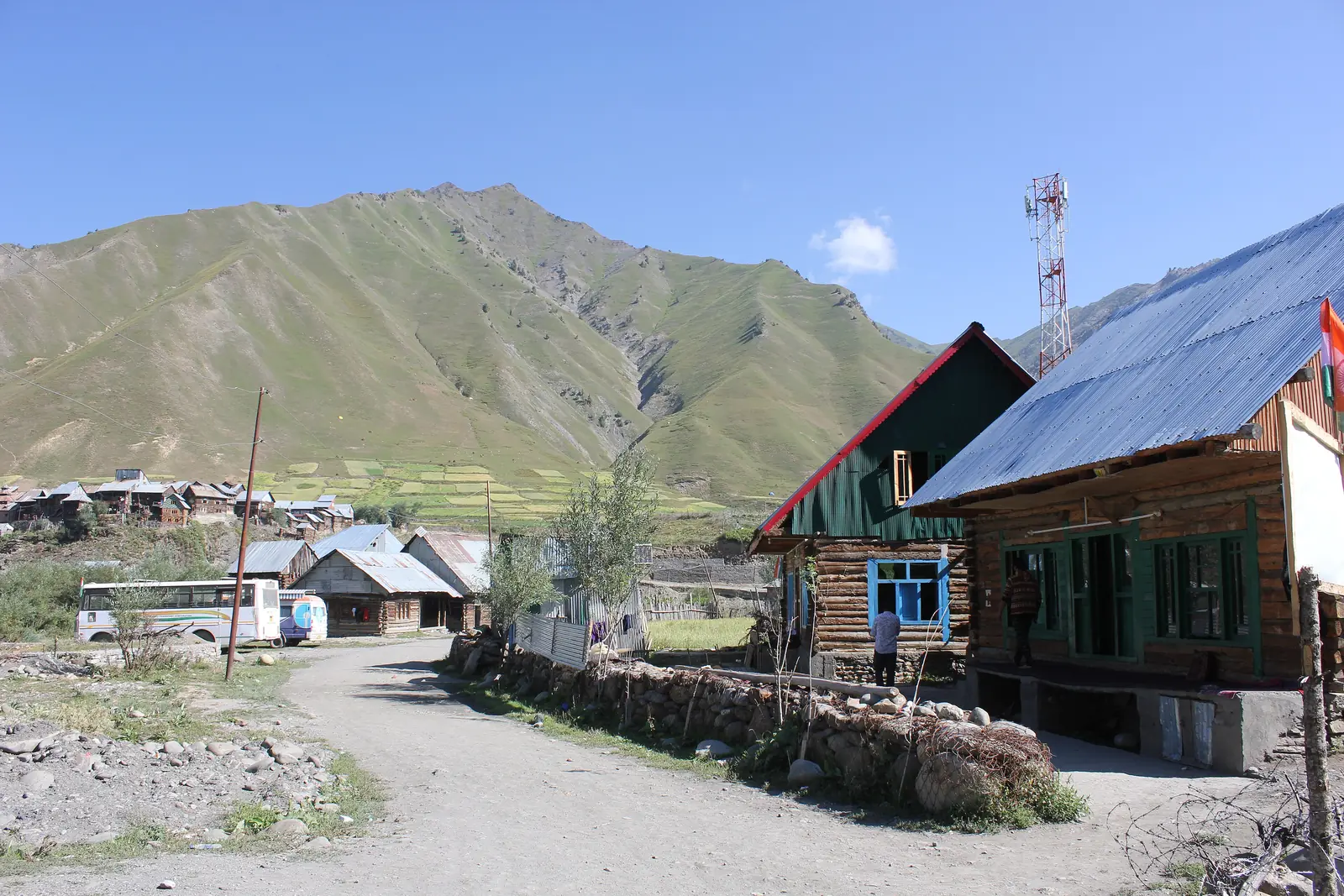
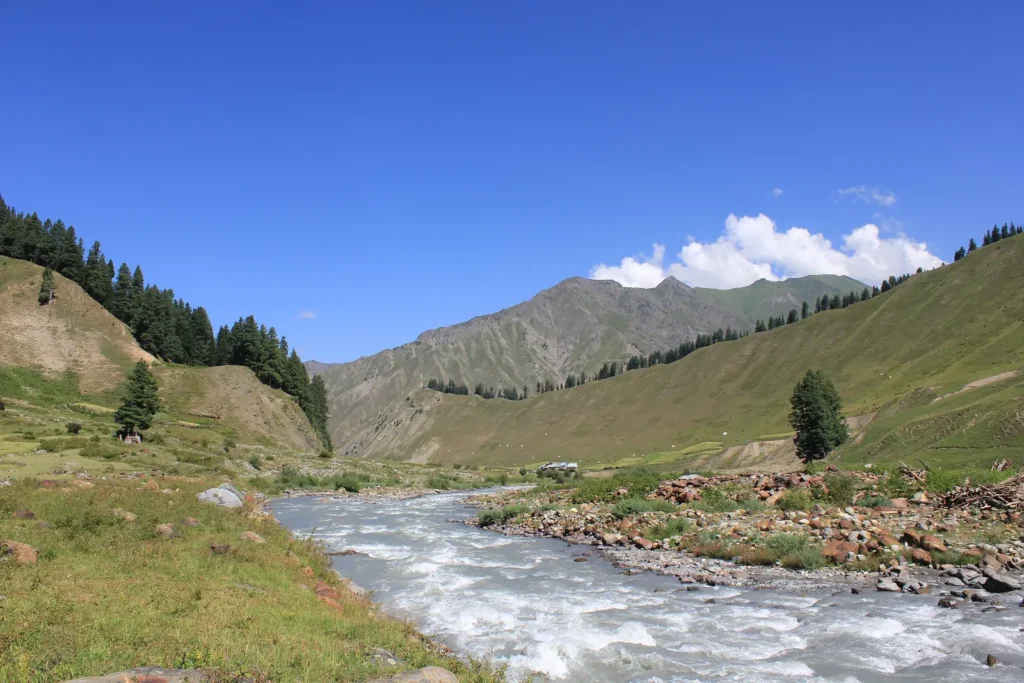
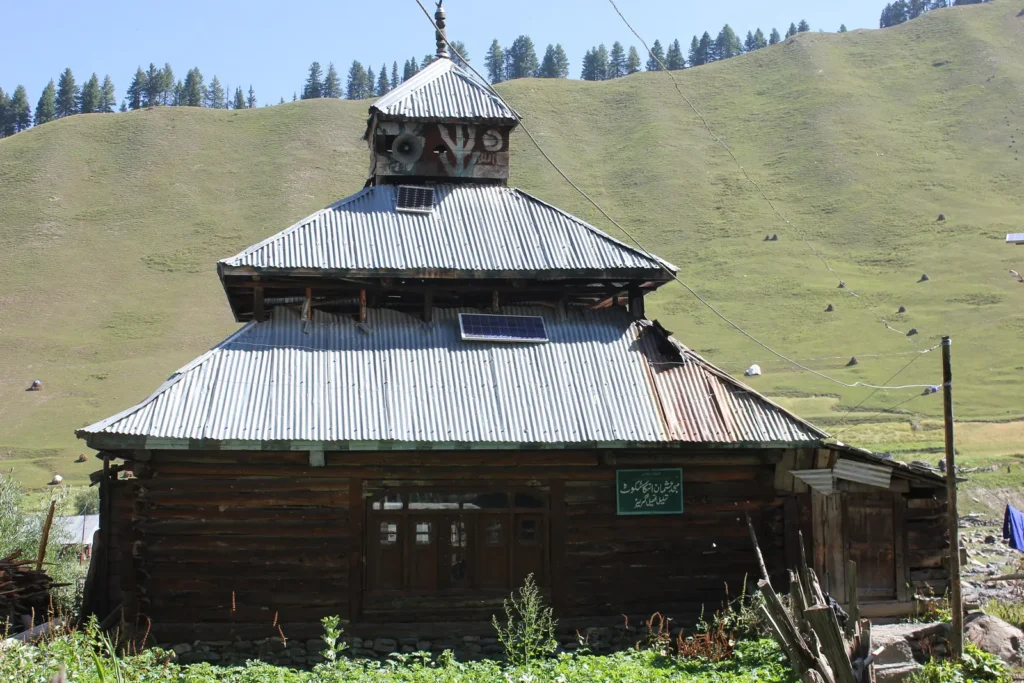
The Gurez valley is one of the last corners of Kashmir that still feels a long way from anywhere. It lies north of Bandipora, over the Razdan Pass and close to the Line of Control, along the clear, fast Kishanganga river. Log houses, wooden mosques and the pyramid of Habba Khatoon peak make it look nothing like the Kashmir of houseboats and Mughal gardens.
It is also a place that needs planning. The road is open only part of the year, the valley is a restricted border area and mobile signal is patchy. This guide covers how to get to Gurez, the ID and permit rules, the best months, where to stay and what to do once you are there.
Where is the Gurez valley?
Gurez is a long, narrow valley in Bandipora district, about 125 km north of Srinagar. Dawar, the main village, sits at about 2,400 m. The people are Dards who speak Shina, a language quite different from Kashmiri, and many families still build their homes from logs and timber.
The valley runs east from Dawar towards Tulail, which sees even fewer visitors. Because it is so close to the Line of Control, the army has a strong presence here, and you will pass several checkpoints on the way in.
How to reach Gurez from Srinagar
The drive takes five to six hours and is half the reason to go.
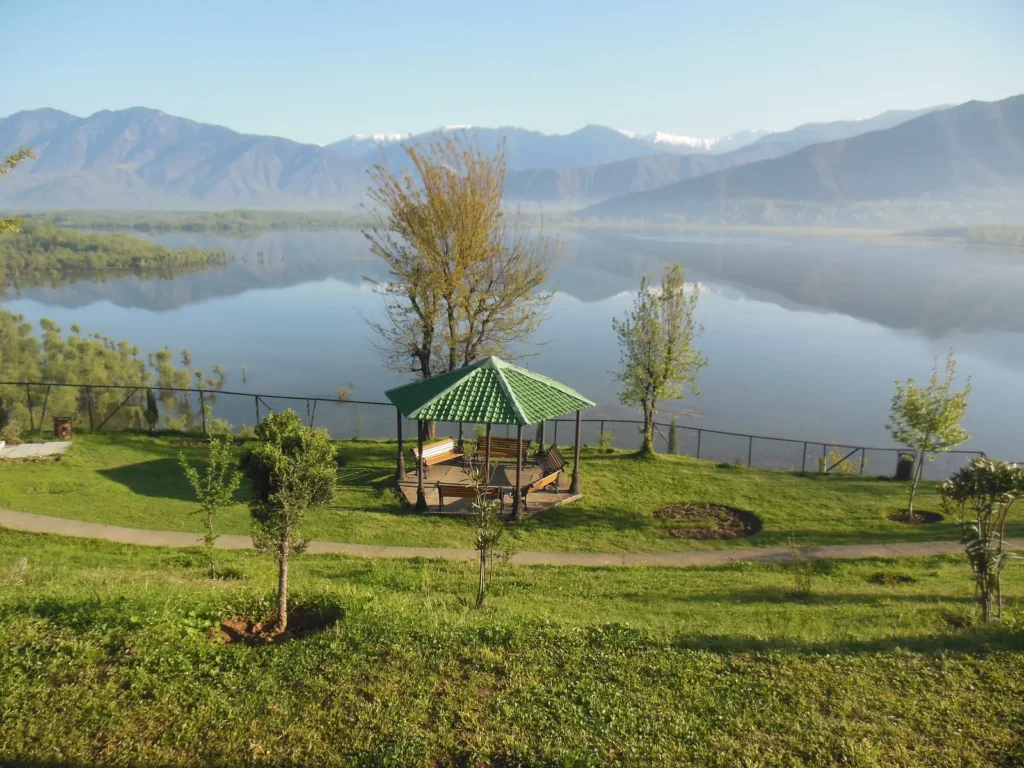
- Srinagar to Bandipora: you leave the city along the shore of Wular Lake, one of the largest freshwater lakes in India.
- Bandipora to Tragbal: the road climbs in tight switchbacks to the Tragbal viewpoint, with a wide view back over Wular and the valley.
- Over the Razdan Pass: at about 3,300 m, the pass is the gateway to the Gurez valley. Snow can linger beside the road well into summer.
- Down to Dawar: the road drops to the Kishanganga and follows it to Dawar.
There is no public transport that is practical for visitors, so most people travel by private car with a driver who knows the road. Leave Srinagar early, because the army posts log every vehicle and the afternoon light fades fast in the mountains.
Permits and ID for Gurez
Gurez is a restricted border area, so plan your documents before you plan your stay.
- Indian travellers: carry an original government photo ID and a few photocopies. Your details are logged at the army posts on the way in. When you travel with us, we arrange this paperwork in advance.
- Foreign nationals: you need advance permission to visit, and it is not always granted. Talk to us before you book flights for a Gurez trip.
Rules can change at short notice in border areas, so always check the current position a few days before you travel.
When is the Gurez valley open?
The Razdan Pass usually opens in late May or June and closes with heavy snow, often in November. The exact dates move every year, which is why we check the road before every departure.
- June: the pass has just opened, the snow is retreating and the fields are turning green.
- July and August: the warmest months and the best time for walks and evenings by the river. Kashmir misses most of the monsoon, so the weather is usually settled.
- September and early October: clear skies, golden fields and quieter roads, with cold nights.
- November to May: the pass is normally closed, and the valley is cut off by road for much of the winter.
Where to stay in Gurez
Accommodation in the Gurez valley is simple. Expect homestays and small guesthouses, mostly in and around Dawar, and a few seasonal camps in summer. Rooms are clean and warm but basic, and hot water may come by the bucket.
Staying with a family is the best way to see the valley. Dinner is home cooking, often rice, vegetables from the garden and mutton, and evenings are spent talking by the stove. Book ahead for July and August, because the best homestays fill up.
Things to do in Gurez
- Dawar and Habba Khatoon peak: walk the village, see the wooden mosque and visit the spring at the foot of the peak, named after the sixteenth-century poet and queen Habba Khatoon.
- The Tulail valley: drive east along the Kishanganga through log villages, with a packed lunch by the water.
- Trout fishing: the streams hold trout. You need a fishing licence from the Fisheries Department before you cast a line.
- Short hikes: climb the fields above Dawar to a viewpoint over the valley, or simply sit by the river with a book.
Practical tips for the Gurez valley
- Mobile signal: patchy. Some postpaid networks work in Dawar, but expect long gaps on the road and in Tulail. Tell people at home you may be out of reach for a day or two.
- Cash: carry enough cash for the trip. Card machines and ATMs are rare.
- Clothing: even in summer, nights are cold. Bring a warm jacket, a woollen cap and layers.
- Photography: do not photograph army posts, bridges or soldiers. Ask before photographing people.
- Respect: Gurez is a conservative place. Dress modestly, especially in villages and near mosques.
How long to stay
Two nights is the minimum to make the long drive worthwhile. Four nights lets you slow down, see Tulail and spend a full day doing very little by the river. Our Gurez valley road trip keeps you in the valley for four nights, with Wular Lake on the way in and Manasbal lake on the way home.
For more on altitudes, drive times and the best months, see our Gurez destination page. If you want to combine Gurez with something gentler, the Doodhpathri, Yusmarg and Sinthan Top loop explores other quiet valleys closer to Srinagar. The Gurez article on Wikipedia has more on the valley’s history.